It is the most haunting scene in a movie filled with them. A group of men, shorn of their hair and their identities, stand in a kitchen around a lifeless body. They start a low, rhythmic drone that eventually swells into a roar. His name is Robert Paulson. They say it over and over. If you’ve seen Fight Club, you know the chill that follows. But honestly, most people quoting it today kind of miss the point. They think it’s a tribute. It’s actually a tragedy.
In the world of David Fincher’s 1999 masterpiece—and Chuck Palahniuk’s gritty novel—the phrase his name was Robert Paulson serves as a pivot point. It is the moment where a support group for the broken turns into a cult for the brainwashed.
Who Was the Real Robert Paulson?
Before he was a martyr for Project Mayhem, he was just Bob. Robert Paulson was a former champion bodybuilder who, in a cruel twist of irony, developed testicular cancer after years of steroid use. To make matters worse, the hormone therapy left him with what the Narrator (Edward Norton) bluntly calls "bitch tits."
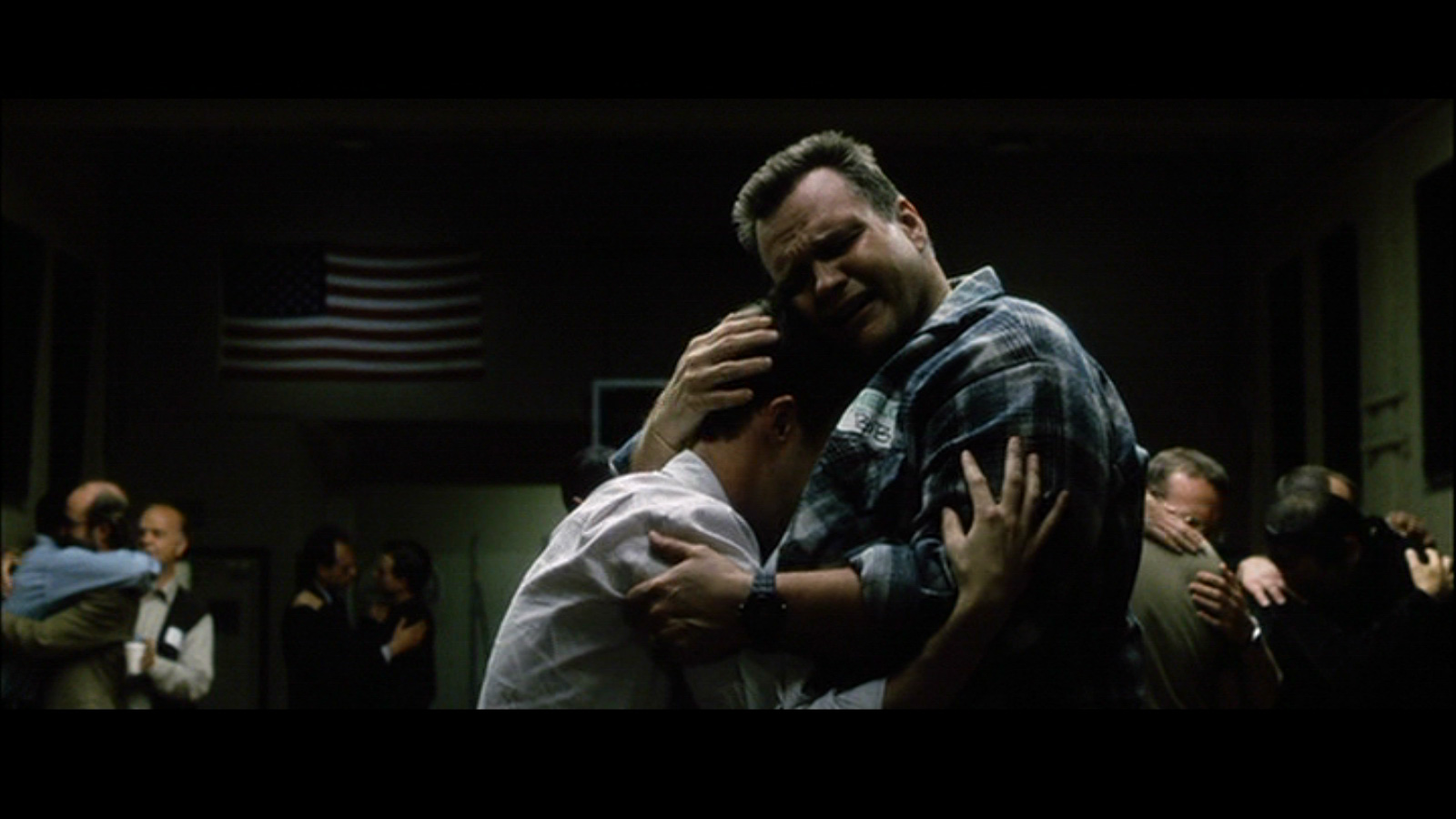
He was played by the legendary Meat Loaf, who delivered a performance so vulnerable it’s easy to forget he was a rock god. Meat Loaf actually wore a fat suit filled with birdseed to give the character that specific, heavy physical presence. He was the "warm center" of the support groups, the first person to offer the Narrator a genuine, sobbing hug.
Bob wasn't a soldier. He was a guy who lost his family, his money, and his health. He joined Fight Club to feel like a man again. Instead, he became a "space monkey."
Why the Chant "His Name Was Robert Paulson" Matters
The "space monkeys" of Project Mayhem were taught to have no names. No personal history. No individuality. "You are not a beautiful or unique snowflake," Tyler Durden tells them. You're just part of the machine.
Then Bob gets shot in the head during a botched sabotage mission involving a fountain.
When the Narrator brings the body back, he's horrified. He sees a friend. He screams at the mindless recruits, "He's not evidence! This is a person! His name is Robert Paulson!" He's trying to wake them up. He's trying to remind them of the human cost of their "revolution."
But the cult logic is airtight. The recruits don't wake up; they pivot. One member, played by Holt McCallany, looks surprised and then "understands." He concludes that while members have no names in life, "in death, a member of Project Mayhem has a name."
The Irony of the Chant
- The Intent: The Narrator wanted to restore Bob's humanity.
- The Result: The group turned his name into a brand.
- The Paradox: By chanting his name, they weren't honoring Bob; they were celebrating the rules of the cult.
It’s a linguistic trap. By saying his name was Robert Paulson, they are reaffirming that you only matter once you are a corpse for the cause. It's the ultimate erasure of the individual disguised as a memorial.
Meat Loaf’s Secret Role Behind the Scenes
Most fans don't know that Meat Loaf did more than just act in the film. He actually helped David Fincher edit it. Since Meat Loaf had a background in theater and a keen eye for performance, Fincher would often have him sit in the editing bay. They would look at takes together to see which ones felt most "real."
Meat Loaf once mentioned in an interview with The Independent that he spent ten months on set. He wasn't just sitting in his trailer; he was sitting next to the camera. That level of investment is probably why Bob feels so much more "human" than the other nameless members of the group. When he dies, you actually care.
The Pop Culture Legacy
Since 1999, the phrase has leaked into the real world. You'll see it on Reddit threads when a beloved internet figure passes away. You'll see it in protest signs. But there's a weird tension there. Is the person using the quote being ironic, or do they actually think it's an empowering sentiment?
In the book, the chant is even more ritualistic. It feels like a religious litany. Palahniuk was tapping into something very specific about how men, when stripped of traditional roles, will flock to any structure that gives them a sense of belonging—even one that demands they stop existing as individuals.
What We Can Learn From Bob
Basically, Robert Paulson is a cautionary tale about the search for identity. He went from the extreme of "hyper-masculinity" (bodybuilding) to the extreme of "no identity" (Project Mayhem). In both cases, he was looking for something outside of himself to tell him who he was.
If you find yourself chanting along with a crowd, it might be worth asking if you're honoring the person or just the chant.
Actionable Takeaways for Your Next Rewatch
- Watch the background: During the "His name is Robert Paulson" chant, look at Edward Norton’s face. He isn't proud. He's terrified because he realizes he’s lost control of the monster he helped create.
- Note the "Bob" vs "Robert" distinction: In the support groups, he's Bob—a friend. In Project Mayhem, he's Robert Paulson—a symbol. The formal name is used only when he's no longer there to hear it.
- The steroid subtext: Bob’s backstory isn't just "flavor." It’s a critique of the "ideal" male form that Tyler Durden later mocks in the "Is that what a man looks like?" scene on the bus.
Robert Paulson wasn't a hero. He was a victim of a system that promised him strength and gave him a grave. Next time you hear the chant, remember that the man it's named for just wanted a hug and a place to belong.
To fully grasp the themes of identity in the film, compare Bob's journey with the Narrator's "IKEA nesting instinct" at the start of the movie. Both men were trying to fill a void with something external—one with furniture, the other with muscle and then chaos. Understanding that the chant is a sign of the group's descent into zealotry, rather than a moment of genuine respect, changes how the entire final act of the film feels.