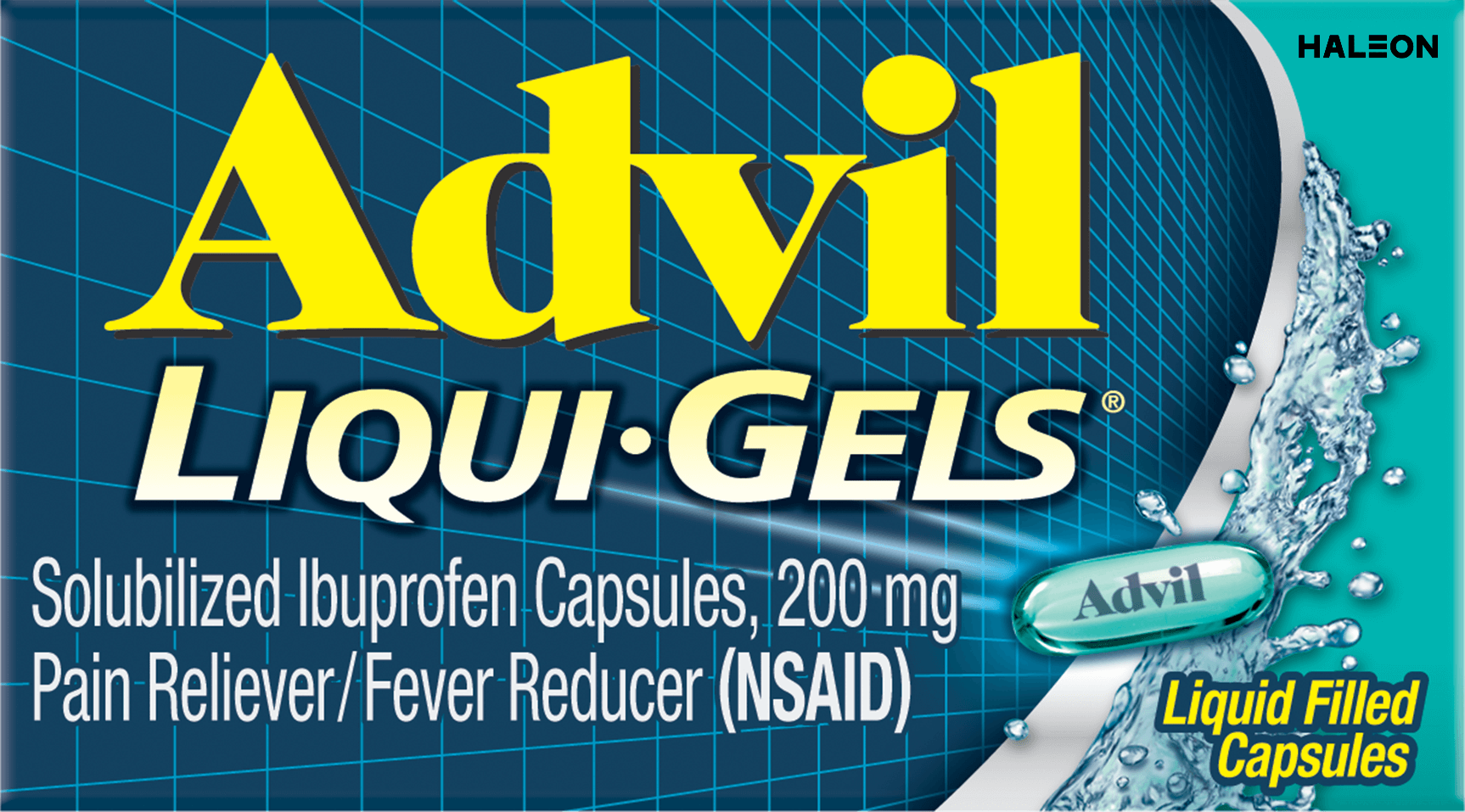
You’re staring at an open suitcase, wondering if that giant bottle of ibuprofen from Costco is going to land you in a Japanese interrogation room. It’s a valid fear. Japan has some of the strictest drug laws in the developed world, and they don't mess around with "I didn't know" as an excuse. So, can I bring Advil to Japan without ending up on a specialized episode of Locked Up Abroad?
The short answer? Yes. But there's a "but" big enough to fill a Tokyo subway car.
Most people assume that because Advil is over-the-counter (OTC) in the States or Europe, it's a free-for-all in Tokyo. It isn't. Japan classifies medications based on active ingredients rather than brand names. While the ibuprofen in Advil is generally fine, the quantity you bring and what else might be in that pill—like pseudoephedrine—changes the game entirely. If you show up with a six-month supply of "Advil Cold & Sinus," you aren't just a traveler with a runny nose; to the Narcotics Control Department, you might look like someone smuggling prohibited stimulants.
The Ibuprofen Reality Check
Standard Advil is basically just ibuprofen. In Japan, ibuprofen is legal and widely available under local brand names like EVE Quick or Naron Ace. Because it's a common anti-inflammatory, the Japanese Ministry of Health, Labour and Welfare (MHLW) allows you to bring it in for personal use.
There is a hard limit, though. You can bring up to a one-month supply of any permitted over-the-counter medication without needing any special paperwork. If you’re heading to Osaka for a ten-day food tour, toss the bottle in your bag and don't sweat it. However, if you're a digital nomad planning to squat in a Kyoto machiya for three months, carrying three large bottles of Advil will trigger a red flag at customs.
Why the one-month rule? Japan is protective of its domestic pharmaceutical market and intensely paranoid about the resale of foreign drugs. They want to ensure what you have is actually for you.
When Advil Becomes Illegal: The Ingredient Trap
Here is where travelers get burned. "Advil" is a brand, not a single drug.
If you grab Advil Cold & Sinus or Advil Allergy Sinus, you are likely carrying pseudoephedrine. In Japan, any medication containing more than 10% pseudoephedrine is strictly prohibited. It doesn't matter if it’s a sealed blister pack from a reputable pharmacy. This is because pseudoephedrine can be used as a precursor to manufacture methamphetamine. Japan’s Stimulants Control Law is legendary for its lack of flexibility.
I’ve heard stories—real ones—of people being detained for Vicks Inhalers or Sudafed. While standard Advil (ibuprofen) is safe, anything with a "Plus" or "Cold" label needs a microscopic ingredient check before you pack it. If it has codeine? Forget it. Codeine is a controlled narcotic in Japan. Even small amounts found in some UK or Australian versions of OTC painkillers can lead to immediate seizure and potential deportation.
The Yunyu Kakunin-sho: Your Get Out of Jail Free Card
So, what if you actually need more than a 30-day supply? Maybe you have chronic back pain and ibuprofen is the only thing that keeps you walking through the shrines of Nara.
You need a Yunyu Kakunin-sho. This is a medication import certificate.
You apply for this online before you leave. It used to be a nightmare of paper forms and international postage, but the MHLW has modernized the process slightly with an online portal. You’ll need to upload a photo of the medication, the ingredients, and a copy of your flight itinerary.
Honestly, it’s a bit of a hassle. But compared to being grilled by a customs officer in a back room at Narita, it’s a walk in the park. If you arrive with 500 tablets of Advil and no certificate, the best-case scenario is they make you throw them in the "Biohazard" bin. The worst-case involves a very long day of explaining your life choices to people who don't find your jokes funny.
Why You Might Want to Leave the Advil at Home Anyway
Japan is a land of incredible pharmacies. Look for the sign that says 薬 (Kusuri).
Walking into a Japanese drugstore like Matsumoto Kiyoshi is an experience. It’s bright, loud, and filled with products that look like candy but are actually potent medicine. If you run out of Advil, or if you decide it's not worth the luggage space, you can buy EVE.
EVE is the gold standard for ibuprofen in Japan. It usually comes in small, easy-to-swallow tablets. Note that the dosage in Japan is often lower than in the US. A standard Advil liquid gel is 200mg. Japanese pills might be 75mg or 100mg per tablet. You might find yourself taking three pills instead of one to get the same effect.
Also, Japanese "Quick" versions of ibuprofen often include caffeine to speed up absorption. If you’re sensitive to stimulants, read the box carefully or use a translation app like Google Lens to scan the back of the package.
Real-World Advice for the Customs Line
When you're landing, you’ll fill out a customs declaration form. If you have a standard bottle of Advil and it's less than a month's worth, you technically don't have to declare it as a "restricted" item.
But listen: Never lie. If an officer asks if you have medication, say yes. Show them the bottle. If it's in the original packaging with a clear label, they will glance at it for two seconds and wave you through. If you’ve put your Advil into a generic plastic baggie to save space, you have made a tactical error. Customs officers hate mystery pills. Keep everything in its original bottle.
Specific Prohibited Items to Double Check
While we are talking about can I bring Advil to Japan, it’s worth checking your bag for these other common items that often travel alongside it:
- NyQuil: Often contains ingredients that are problematic or border-line prohibited in Japan.
- Adderall: Strictly prohibited. Do not bring it. Even with a prescription, it is illegal to bring into the country because it contains amphetamines.
- Vyvanse: This was recently legalized for medical use in Japan but requires very specific, high-level "Sankyu" paperwork that is different from the standard import certificate.
- CBD Oil: Unless it is 0.0% THC and derived specifically from the stalk or seed (and you can prove it with lab results), it's a huge risk. Japan has a zero-tolerance policy for THC.
Practical Steps Before You Fly
Don't wait until the night before your flight to figure this out. If you're bringing prescription meds alongside your Advil, the rules get even tighter.
- Count your pills. If it's over 30 days of OTC stuff, apply for the Yunyu Kakunin-sho at least two weeks before departure.
- Check the labels. Look for "pseudoephedrine" or "codeine." If you see those words, leave the bottle on your nightstand at home.
- Keep the original packaging. This is the single most important thing you can do to avoid a headache at the border.
- Download a translation app. If you need to buy more in Tokyo, you’ll need to be able to read the active ingredients on the boxes of EVE or Bufferin.
- Carry a copy of your prescription. Even for OTC meds, if you have a doctor’s note saying you need them, it adds a layer of "Expert Credibility" to your case if a customs officer gets curious.
Japan is a wonderful place, and they aren't looking to arrest tourists for a bottle of Advil. They are looking for smugglers. As long as you stay within the 30-day limit, keep your labels clear, and avoid the "Cold and Flu" versions that contain stimulants, you’ll be through customs and on your way to a bowl of ramen in no time.
The peace of mind is worth the five minutes of prep work. Pack smart, respect the local laws, and keep your ibuprofen in the bottle it came in. That’s the real secret to a smooth entry.